
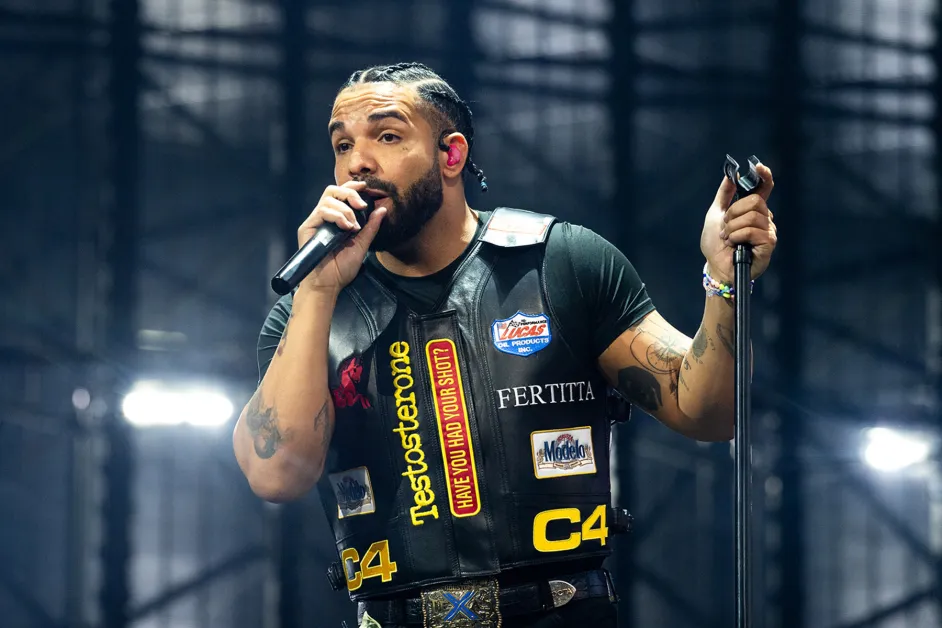
Aubrey Drake Graham’s journey from a young Toronto boy to a global music icon is a testament to resilience, talent, and relentless ambition. After his final appearance on Degrassi: The Next Generation in 2007, Drake took a bold step away from acting to chase his true passion: music. This decision was not without risk. He left behind the familiar comfort of a television role that many young actors would cling to, choosing instead to immerse himself fully in the uncertain world of hip-hop and R&B.
In those early days, Drake was a man with a vision but limited resources. His first mixtape, Room for Improvement, was a modest attempt to carve out a place for himself in the music industry. It showcased his smooth voice, lyrical wit, and the early signs of his introspective style that would later captivate millions. Not everyone immediately recognized his potential, but Drake was undeterred.
Following Room for Improvement, he released Comeback Season in 2007—a title that was both a challenge and a promise. This mixtape featured a more polished sound and collaborations that hinted at his growing network within the music scene. Tracks like “Replacement Girl” began to garner attention, especially with the help of music video exposure on platforms that were then becoming influential, like BET.
The real turning point came with So Far Gone in 2009. This mixtape was a game changer. It blended rap and R&B with a fresh, emotional honesty that resonated deeply with listeners. Songs like “Best I Ever Had” and “Successful” became anthems, propelling Drake into the spotlight. This project caught the attention of Lil Wayne, leading to Drake’s signing with Young Money Entertainment, a move that would cement his place in the music industry.
Drake’s sound was unique—he could rap with sharpness and sing with vulnerability. His lyrics often explored themes of love, success, and personal struggle, reflecting his complex identity as a biracial Canadian navigating fame and artistry. This duality gave his music a broad appeal, bridging gaps between hip-hop purists and mainstream pop audiences.
His debut album, Thank Me Later (2010), confirmed his star status. Debuting at number one on the US Billboard 200, it was a commercial success that blended hard-hitting beats with introspective storytelling. The album was a blueprint for Drake’s future work—balancing club bangers with heartfelt ballads, all delivered with his signature smooth flow.
Take Care (2011), his sophomore album, elevated his artistry to new heights. It was lush, moody, and deeply personal, earning him his first Grammy for Best Rap Album. The record was praised for its innovative production and emotional depth, with tracks like “Marvins Room” and the title song “Take Care” becoming cultural touchstones.
Drake’s career continued to ascend with Nothing Was the Same (2013), an album that solidified his dominance in the rap world while pushing creative boundaries. His ability to blend genres and moods became a hallmark, influencing a generation of artists who followed.
In 2015, Drake surprised fans with two mixtapes: If You’re Reading This It’s Too Late and the collaborative What a Time to Be Alive with Future. These projects embraced a darker, trap-influenced sound that showcased Drake’s versatility and hunger to innovate.
His fourth studio album, Views (2016), was a landmark moment. It shattered records and featured the global hit “One Dance,” his first number-one single as a lead artist. The album’s dancehall influences and emotional narratives reflected Drake’s evolving musical palette and his ability to connect across cultures.
Through More Life (2017) and Scorpion (2018), Drake not only broke streaming records but also became a defining voice of his era. Scorpion featured hits like “God’s Plan,” “Nice for What,” and “In My Feelings,” tracks that dominated charts worldwide and fueled countless viral moments.
Beyond music, Drake’s entrepreneurial spirit shone through with the founding of OVO Sound in 2012. This label became a platform for upcoming artists and a symbol of Drake’s commitment to shaping the future of music.
Drake’s story is one of transformation—from a young boy navigating the complexities of identity and childhood adversity to a global superstar reshaping the soundscape of modern music. His journey is marked by an unyielding drive, a unique blend of vulnerability and confidence, and a profound connection with fans around the world.
More than just a rapper or singer, Drake is a cultural phenomenon whose influence spans music, fashion, and business. His legacy continues to grow as he pushes boundaries and redefines what it means to be an artist in the 21st century.