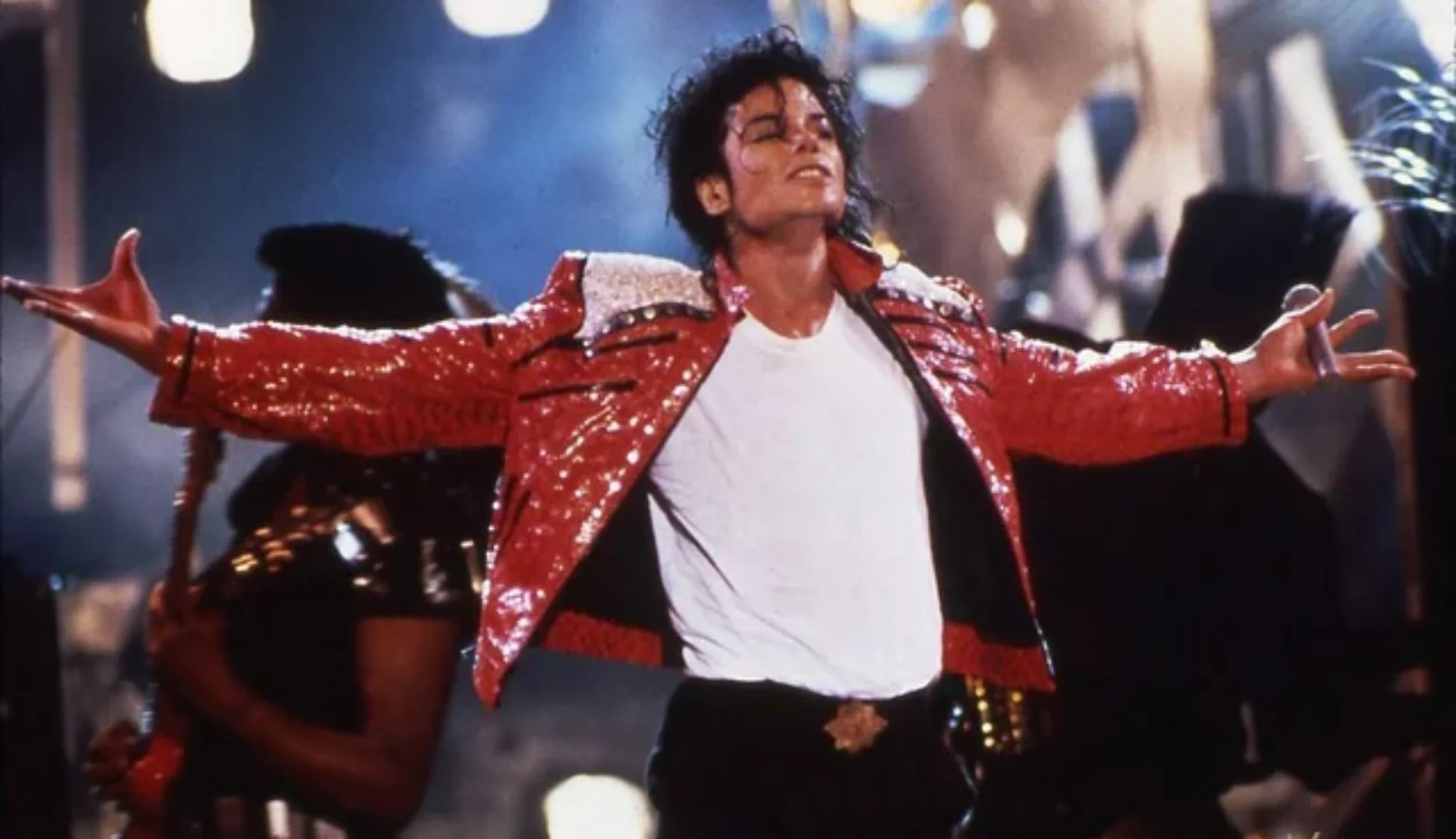
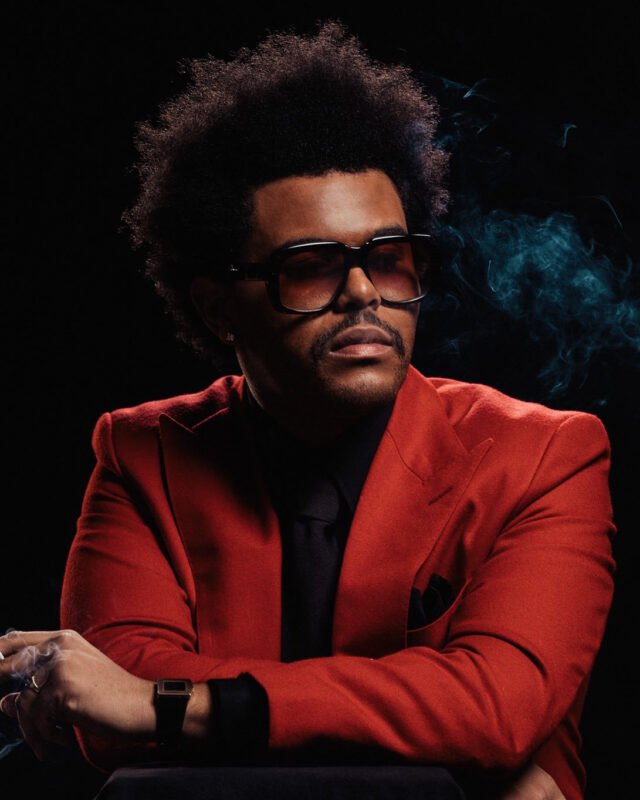
The Weeknd, born Abel Makkonen Tesfaye on February 16, 1990, is a Canadian singer, songwriter, and record producer who rose from underground anonymity to global stardom. He launched his career in late 2010 by anonymously uploading songs to YouTube under the name “The Weeknd,” quickly gaining attention for his unique blend of atmospheric R&B and dark, emotive themes.
In 2011, he released three critically acclaimed mixtapes—House of Balloons, Thursday, and Echoes of Silence—which were later remastered and compiled into the album Trilogy (2012) under Republic Records and his own XO label. These projects introduced his haunting vocal style and introspective songwriting to a wider audience.
His debut studio album, Kiss Land (2013), marked a more polished, cinematic sound, supported by singles like “Kiss Land” and “Live For.” However, it was his second album, Beauty Behind the Madness (2015), that catapulted him into mainstream success. The album topped the US Billboard 200 and featured hits such as “Earned It,” “The Hills,” and “Can’t Feel My Face.” Remarkably, The Weeknd became the first artist to hold the top three positions simultaneously on the Billboard Hot R&B Songs chart.
In 2016, his third album, Starboy, debuted along with its title track, which reached number one on the Billboard Hot 100, further cementing his place as a leading figure in contemporary music. Throughout his career, The Weeknd has won multiple accolades, including three Grammy Awards and nine Juno Awards, reflecting his innovation and influence in R&B and pop.
Known for his genre-blending sound, emotive lyricism, and enigmatic persona, The Weeknd continues to evolve as an artist, captivating audiences worldwide with his moody, atmospheric music and compelling performances.
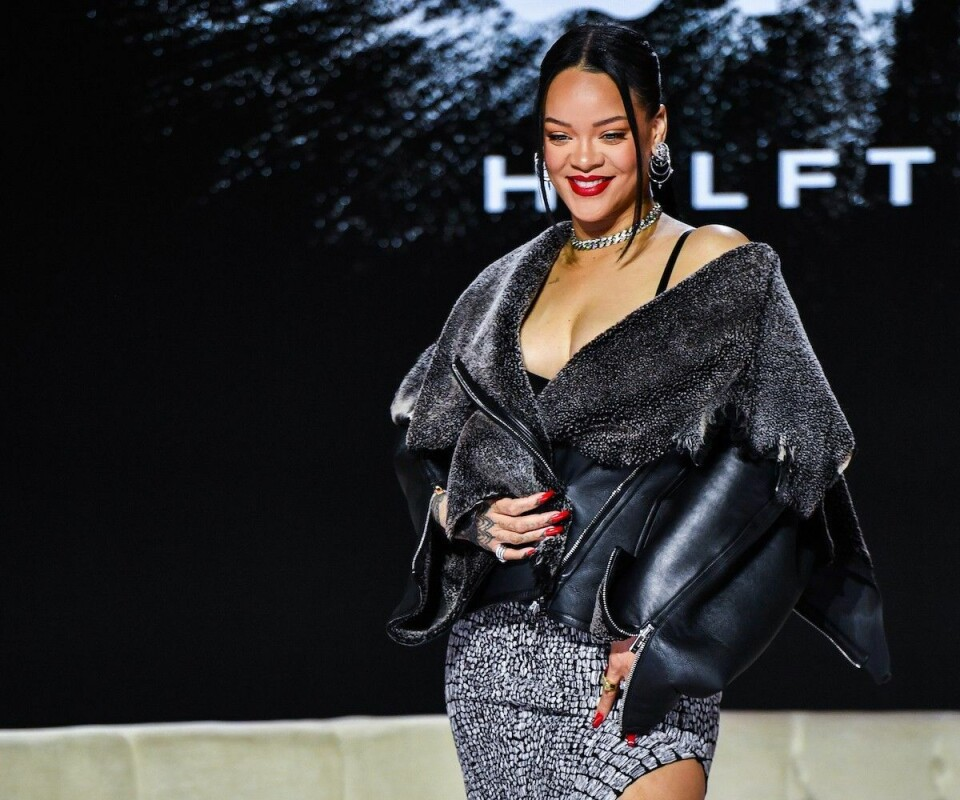
Rihanna, born Robyn Rihanna Fenty on February 20, 1988, in Saint Michael, Barbados, is a global music superstar known for her powerful voice, distinctive style, and cultural impact. Emerging from humble beginnings, Rihanna’s journey to fame started in her teenage years when she formed a girl group and caught the attention of record producer Evan Rogers, who saw her immense potential. After relocating to the United States, she quickly rose through the ranks, signing with Def Jam under the leadership of Jay-Z.
Her debut album, Music of the Sun (2005), introduced her unique Caribbean-infused pop sound, with the hit single “Pon de Replay” reaching number two on the Billboard Hot 100. Following up with A Girl Like Me (2006), she earned her first number-one single with “SOS,” a catchy track sampling the classic “Tainted Love.” Rihanna’s early success laid the foundation for what would become a groundbreaking career.
The defining moment came with her third album, Good Girl Gone Bad (2007), which catapulted her into international superstardom. The album marked a shift toward a more edgy, dance-pop sound and a bold new image, including a dramatic hairstyle change. The blockbuster single “Umbrella,” featuring Jay-Z, became a cultural phenomenon, topping charts worldwide and earning Rihanna her first Grammy Award. It stayed at number one in the UK for ten consecutive weeks, making it one of the longest-running number-one singles of the 21st century.
Good Girl Gone Bad produced multiple hits, including “Shut Up and Drive,” “Don’t Stop The Music,” and “Disturbia,” showcasing her ability to blend pop, R&B, and dancehall effortlessly. Rihanna’s evolving sound kept her at the forefront of the music industry, continuously pushing boundaries.
Beyond music, Rihanna’s influence spans fashion, beauty, and philanthropy. She launched the successful Fenty Beauty line, redefining beauty standards with inclusive products. As a cultural ambassador for Barbados, she actively promotes her heritage and social causes.
Despite personal challenges, including a turbulent childhood affected by her father’s addiction and her parents’ rocky marriage, Rihanna’s resilience and talent have made her one of the most influential artists of her generation. Her fourteen Billboard Hot 100 number-one hits and multiple Grammy Awards attest to her enduring appeal and artistic excellence.
Rihanna’s career is a testament to her versatility, innovation, and commitment to authenticity, inspiring millions worldwide with her music, style, and humanitarian efforts.
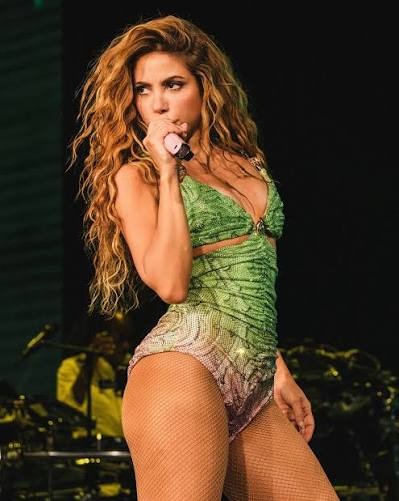
Shakira Isabel Mebarak Ripoll was born on February 2, 1977, in Barranquilla, Colombia. Showing artistic talent from a young age, she began writing songs and performing by the time she was eight years old. Her early music was heavily influenced by Latin pop and rock, but also carried traces of Middle Eastern melodies reflecting her Lebanese heritage.
Shakira released her first two albums, Magia and Peligro, as a teenager. Although they had limited commercial success, they marked the beginning of her career in the Latin music industry. Her third album, Pies Descalzos (1995), was a breakthrough in Latin America, earning her widespread recognition with hits like “Estoy Aquí” and “Antología.” This album demonstrated her songwriting skills and unique vocal style, combining pop with Colombian and world music rhythms.
Her follow-up album, ¿Dónde Están los Ladrones? (1998), solidified her status as a Latin pop superstar. Produced by Emilio Estefan, it was a commercial and critical success, featuring hits such as “Ciega, Sordomuda” and “Ojos Así.” The album’s rich fusion of rock, pop, and traditional Latin sounds showcased her versatility and artistic maturity.
In 2001, Shakira made a bold crossover to English-language music with Laundry Service. This album featured global hits like “Whenever, Wherever” and “Underneath Your Clothes,” blending Latin rhythms with pop-rock melodies. The success of Laundry Service introduced her to a global audience and earned her international acclaim.
Throughout the 2000s, Shakira continued to release successful albums such as Fijación Oral, Vol. 1 (2005), Oral Fixation, Vol. 2 (2005), and She Wolf (2009). These works explored various musical styles, including electronic, dance, and folk influences, pushing the boundaries of Latin pop. Notable hits from this era include “Hips Don’t Lie,” featuring Wyclef Jean, which became one of the best-selling singles of the 21st century.
Known for her electrifying stage presence, Shakira’s performances combine powerful vocals with her signature belly dance moves, which highlight her Lebanese roots. Her dynamic live shows have made her a favorite worldwide, including appearances at the Super Bowl halftime show and various international music festivals.
Shakira’s influence extends beyond music. She is an active philanthropist dedicated to improving education in Colombia and globally. She founded the Barefoot Foundation (Pies Descalzos Foundation), which builds schools and provides resources for underprivileged children. In addition, she serves as a UNICEF Goodwill Ambassador, advocating for children’s rights and education worldwide.
Her impact on Latin music and culture is immense. Shakira paved the way for Latin artists to achieve crossover success, inspiring countless musicians to blend genres and cultures in their work. She has won multiple Grammy Awards, Latin Grammys, Billboard Awards, and countless other accolades, recognizing both her artistic achievements and humanitarian efforts.
In recent years, Shakira has continued to release new music, such as the albums El Dorado (2017), which featured collaborations with artists like Maluma and Carlos Vives, and hit singles like “Chantaje” and “La Bicicleta.” These songs celebrate Latin culture while appealing to a modern pop audience, demonstrating her ability to evolve while staying true to her roots.
Shakira’s personal life, including her high-profile relationship with Spanish footballer Gerard Piqué, has also attracted media attention. However, she remains focused on her music and philanthropic work, consistently using her platform to promote social causes.
Her legacy as one of the most influential Latin artists is marked by innovation, cultural fusion, and a commitment to using her success for positive change. Shakira’s music continues to resonate with fans worldwide, bridging languages and generations, and her story is one of talent, perseverance, and heart.Copy
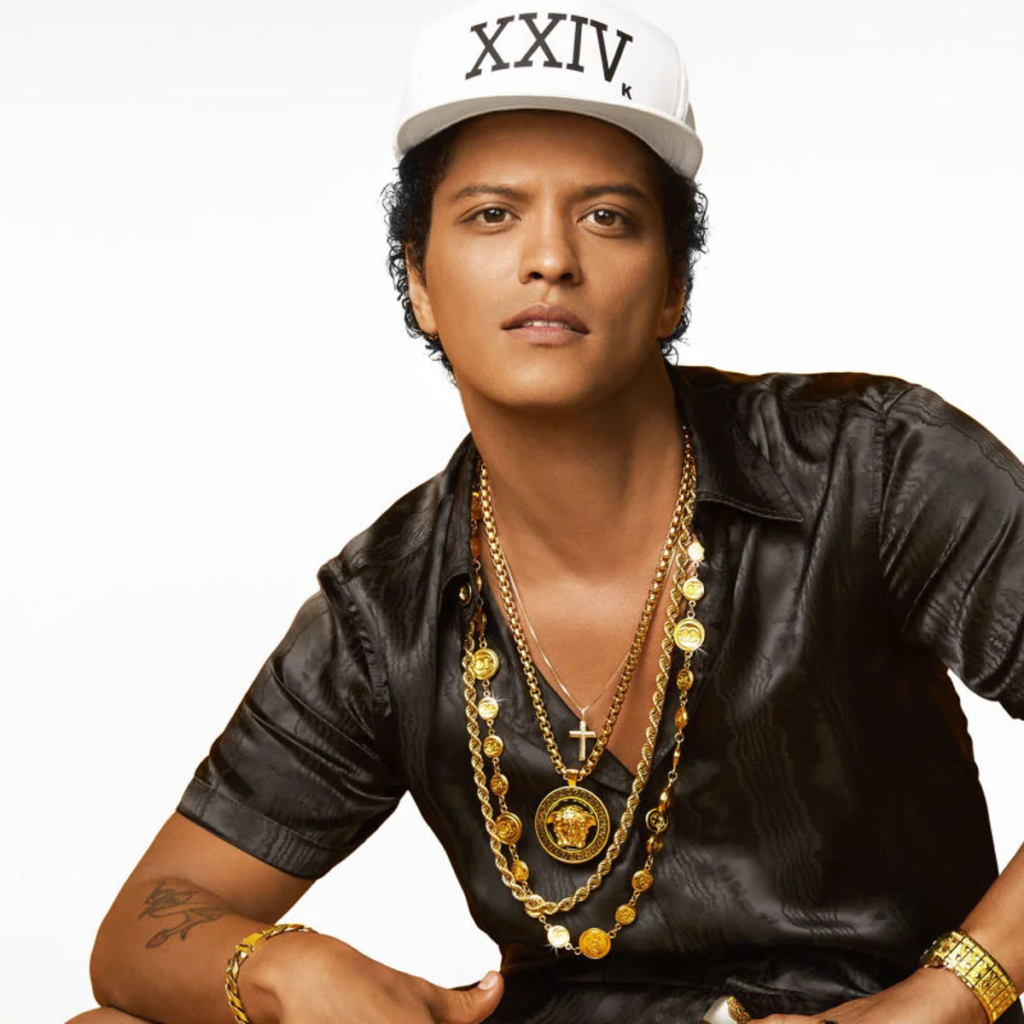
Bruno Mars, born Peter Gene Hernandez on October 8, 1985, in Waikiki, Hawaii, is a Filipino-Puerto Rican American singer-songwriter, producer, and musician known for his dynamic blend of reggae, rock, hip hop, and R&B. Raised in a musical family, Bruno was exposed early to iconic influences like Michael Jackson and Elvis Presley, even earning the nickname “Little Elvis” during his childhood.
He moved to Los Angeles after graduating high school to pursue a music career, initially gaining recognition as a producer and songwriter for artists like Flo Rida, Alexandra Burke, and Sean Kingston. His breakthrough as a solo artist came with features on B.o.B’s “Nothin’ on You” and Travie McCoy’s “Billionaire,” both top-ten hits.
Bruno Mars released his debut EP It’s Better If You Don’t Understand in 2010, followed by his successful albums Doo-Wops & Hooligans (2010), Unorthodox Jukebox (2012), and 24K Magic (2016). With hits like “Just the Way You Are,” “Grenade,” and “Uptown Funk” (with Mark Ronson), he has racked up 11 Grammy Awards and ten top-10 U.S. hits, including seven number-one singles.
Known for his captivating performances and retro-inspired sound, Bruno Mars combines vintage showmanship with modern production, making him one of the most versatile and celebrated artists of his generation. Despite a brief legal hiccup in 2010, his career continues to thrive with influence and chart success worldwide.
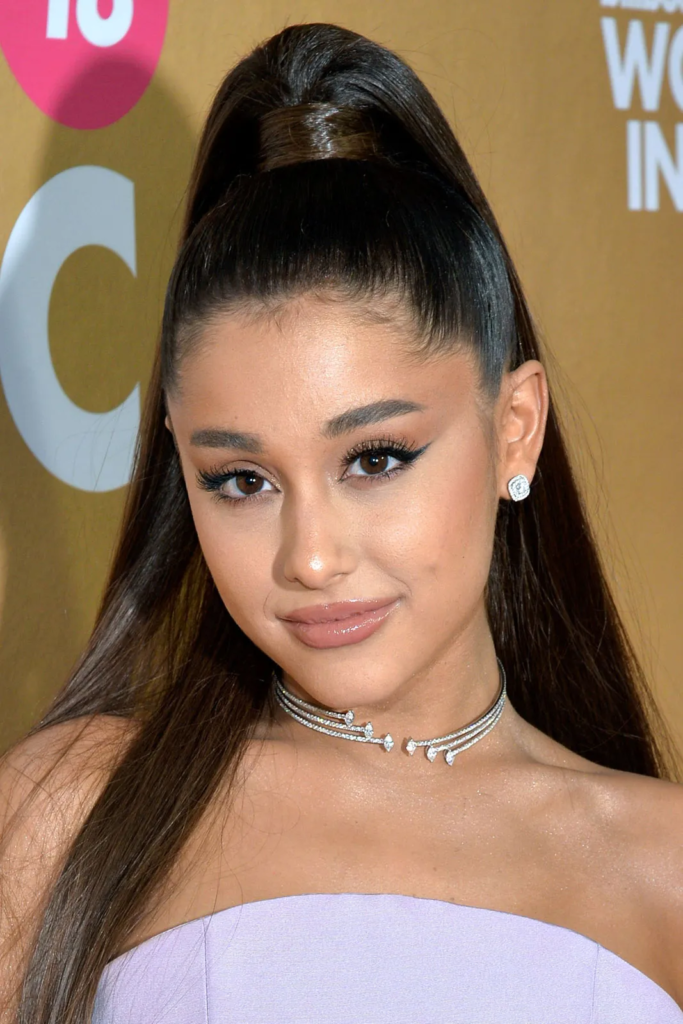
Ariana Grande is a Grammy-winning American singer, songwriter, and actress who began her career in 2008 with the Broadway musical 13. She gained fame for her role as Cat Valentine on Nickelodeon’s Victorious and Sam & Cat. Transitioning to music, she signed with Republic Records in 2011 after sharing cover videos on YouTube.
Her debut album, Yours Truly (2013), showcased a 1950s doo-wop-inspired pop and R&B sound, debuting at number one on the Billboard 200. It included the top-ten single “The Way” featuring Mac Miller. Her next albums, My Everything (2014) and Dangerous Woman (2016), incorporated EDM and continued her pop-R&B style, with hits like “Problem,” “Break Free,” and the Grammy-nominated “Dangerous Woman.”
Her later albums, Sweetener (2018) and Thank U, Next (2019), saw her experiment with trap music while maintaining her signature style. Both albums debuted at number one worldwide and received critical acclaim. Sweetener earned her a Grammy for Best Pop Vocal Album, and Thank U, Next broke streaming records. In 2019, Ariana became the first solo artist to hold the top three spots on the Billboard Hot 100 simultaneously with “7 Rings,” “Break Up with Your Girlfriend, I’m Bored,” and “Thank U, Next.”
Ariana is also a social media powerhouse, known for her iconic ponytail, bold fashion, and outspoken advocacy for feminism and LGBTQ+ rights. She became the most followed woman on Instagram in 2019 and was named Billboard’s Woman of the Year in 2018. Forbes listed her among the highest-paid celebrities, and Time included her in its 100 Most Influential People list twice.
Her five platinum-certified albums and over 35 billion streams highlight her status as one of the leading artists of her generation, blending vocal talent, personal authenticity, and cultural influence.
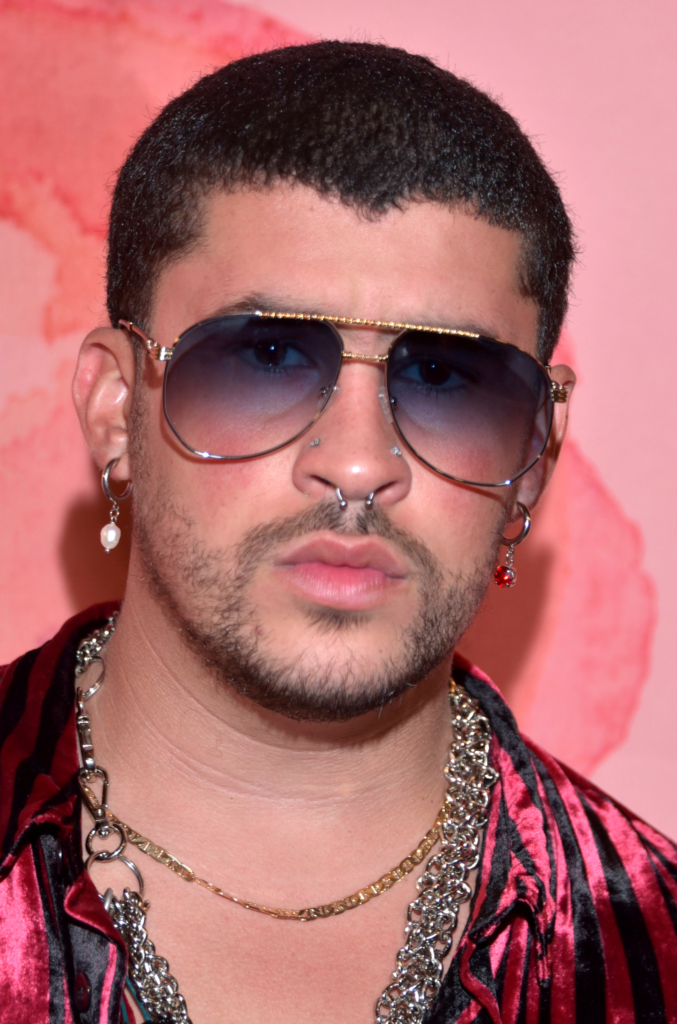
Bad Bunny, a Puerto Rican singer, rapper, and producer from San Juan, emerged onto the music scene in 2016 and swiftly gained national recognition. His early singles captured widespread attention, leading to a signing with Hear This Music, a label founded by Puerto Rican producers DJ Luian and Mambo Kingz.
His career rapidly accelerated with key collaborations alongside prominent Latin urban artists such as Ñengo Flow, Arcángel, and Ozuna. In early 2017, Bad Bunny released a series of impactful singles including “Pa Ti,” “Loco Pero Millonario,” and “Dime Si Vas a Volver.” These releases, combined with numerous features with artists like Poeta Callejero, Farruko, Brytiago, and Almighty, cemented his reputation as a prolific and influential figure in Latin trap and reggaeton.
Bad Bunny’s distinctive style—marked by genre-blending, innovative production, and socially conscious lyrics—has propelled him to international stardom, reshaping Latin urban music and expanding its global appeal.
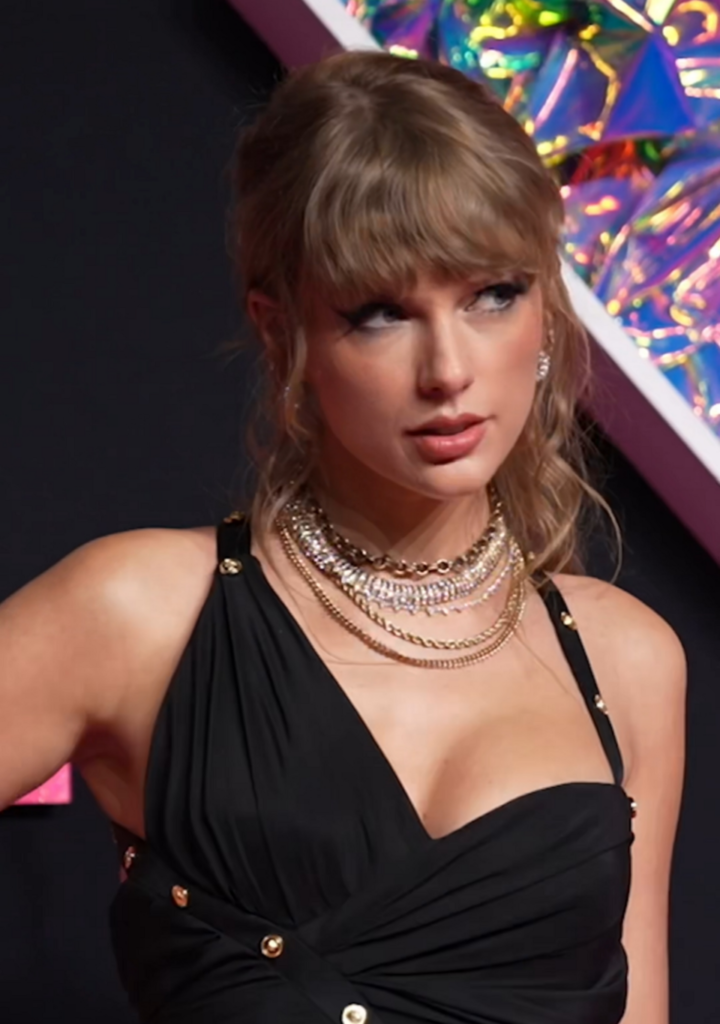
Taylor Alison Swift, born December 13, 1989, in Wyomissing, Pennsylvania, is an American singer-songwriter and actress known for her exceptional storytelling through music. With 10 Grammy wins and 31 nominations by early 2018, Swift’s impact spans country, pop, and beyond, selling over 40 million albums and 130 million singles globally by 2015.
Starting as a country prodigy, Swift quickly evolved into a pop superstar. Her early work, like the debut single “Tim McGraw” and her breakthrough album Fearless (2008), found massive success with hits such as “Love Story” and “You Belong with Me.” Fearless earned six platinum singles and widespread international acclaim.
Her third album, Speak Now (2010), solidified her status with tracks like “Mine” and Grammy-winning “Mean.” Swift’s transition to pop was marked by Red (2012), featuring mainstream hits “We Are Never Ever Getting Back Together” and “I Knew You Were Trouble.”
1989 (2014) was her official pivot to pop, debuting at number one and breaking sales records with singles like “Shake It Off.” The album won three Grammys and led to a global tour. Swift’s ability to blend personal narratives with catchy melodies made her a defining artist of her generation.
Later albums like Reputation (2017) and Lover (2019) continued her exploration of new sounds and themes. Lover debuted atop the Billboard 200 with historic sales, and all 18 tracks entered the Hot 100, a record for a female artist.
Swift’s influence extends beyond music; she is the first recipient of Billboard’s Woman of the Decade Award, reflecting her cultural and artistic significance. Her career exemplifies artistic growth, genre mastery, and profound connection with fans worldwide.
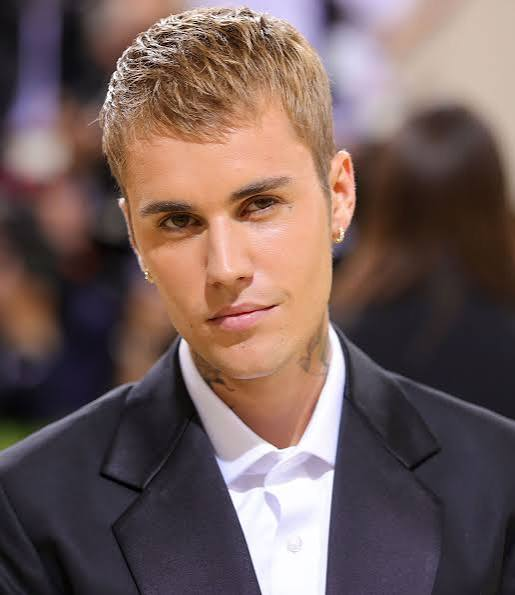
Justin Drew Bieber, born March 1, 1994, in London, Ontario, Canada, is a globally renowned pop musician, actor, and singer-songwriter. Discovered in 2008 by talent manager Scooter Braun through YouTube videos, Bieber quickly rose to fame after meeting Usher Raymond and signing with RBMG and Island Records.
His debut EP, My World (2009), was certified platinum, making Bieber the first artist to have seven songs from a debut record chart on the Billboard Hot 100. His first full-length album, My World 2.0 (2010), debuted at number one in several countries and featured the hit single “Baby.” Bieber’s early career included the My World Tour, remix albums, and the 3D concert film Justin Bieber: Never Say Never.
Bieber continued his success with Under the Mistletoe (2011) and Believe (2012), both debuting at number one on the Billboard 200. Known for his massive fanbase called “Beliebers,” he gained over 40 million Twitter followers and was named the third-most powerful celebrity by Forbes in 2012.
In 2013, Bieber released the concert film Justin Bieber’s Believe and the digital album Journals. His 2015 album Purpose was highly personal and included chart-topping singles like “Love Yourself,” “Sorry,” and “What Do You Mean?” The album’s success led to the Purpose World Tour, earning him a Billboard Touring Award.
His fifth studio album, Changes, was released in 2020, continuing his evolution as a pop artist with a blend of R&B influences.
Discography:
My World (2009)
My World 2.0 (2010)
Under the Mistletoe (2011)
Believe (2012)
Journals (2013)
Purpose (2015)
Changes (2020)
Bieber’s journey from a YouTube sensation to a global pop icon showcases his resilience, adaptability, and broad appeal across generations.
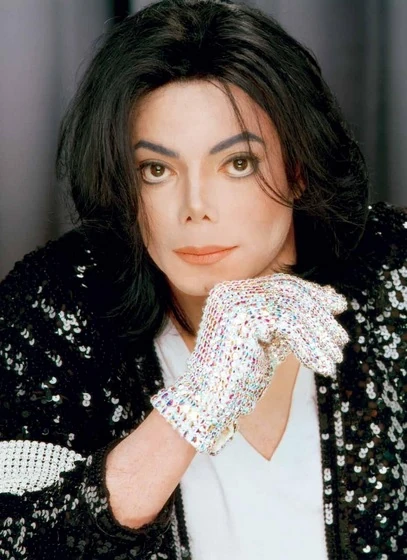
Michael Jackson’s legacy as a groundbreaking artist and cultural icon is unparalleled. From his early days as the youngest member of the Jackson 5, he quickly rose to superstardom, setting records and redefining what it meant to be a global entertainer. His solo albums, especially Thriller, remain monumental achievements in music history, with Thriller still holding the title of the best-selling album worldwide.
Jackson’s innovation extended beyond music into visual storytelling. He revolutionized music videos, turning them into mini-movies that combined art, narrative, and social commentary. His pioneering videos for “Billie Jean” and “Beat It” not only captivated audiences but also broke racial barriers on MTV, reshaping the music industry’s landscape.
His live performances set new standards for spectacle and artistry—his 1993 Super Bowl halftime show is widely regarded as the blueprint for all that followed. Moreover, his impact transcends music; with a Tony-Award winning Broadway musical, a celebrated Cirque du Soleil show, and a much-anticipated biopic, Michael Jackson’s cultural influence continues to thrive decades after his passing, inspiring new generations worldwide.
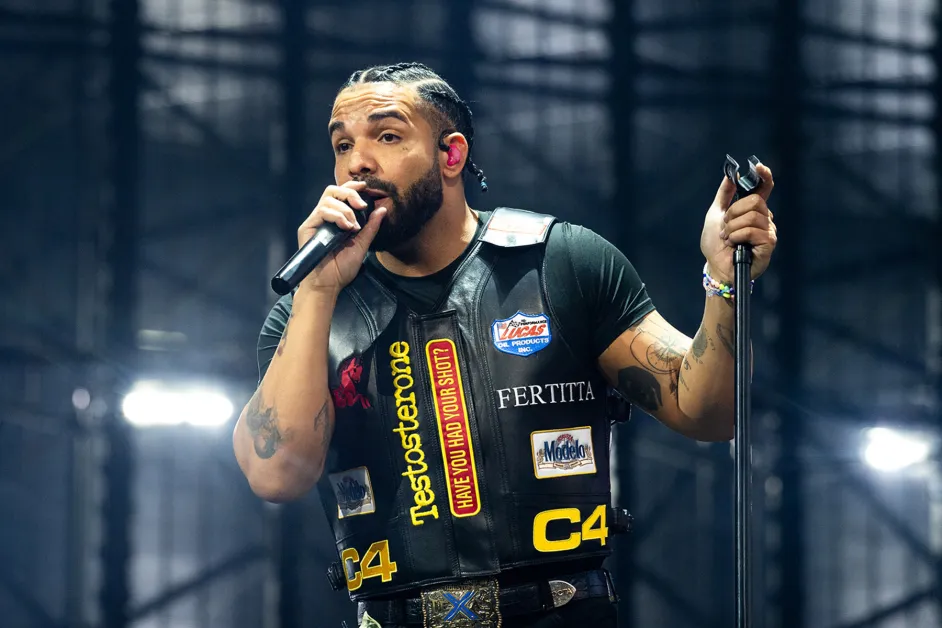
Aubrey Drake Graham’s journey from a young Toronto boy to a global music icon is a testament to resilience, talent, and relentless ambition. After his final appearance on Degrassi: The Next Generation in 2007, Drake took a bold step away from acting to chase his true passion: music. This decision was not without risk. He left behind the familiar comfort of a television role that many young actors would cling to, choosing instead to immerse himself fully in the uncertain world of hip-hop and R&B.
In those early days, Drake was a man with a vision but limited resources. His first mixtape, Room for Improvement, was a modest attempt to carve out a place for himself in the music industry. It showcased his smooth voice, lyrical wit, and the early signs of his introspective style that would later captivate millions. Not everyone immediately recognized his potential, but Drake was undeterred.
Following Room for Improvement, he released Comeback Season in 2007—a title that was both a challenge and a promise. This mixtape featured a more polished sound and collaborations that hinted at his growing network within the music scene. Tracks like “Replacement Girl” began to garner attention, especially with the help of music video exposure on platforms that were then becoming influential, like BET.
The real turning point came with So Far Gone in 2009. This mixtape was a game changer. It blended rap and R&B with a fresh, emotional honesty that resonated deeply with listeners. Songs like “Best I Ever Had” and “Successful” became anthems, propelling Drake into the spotlight. This project caught the attention of Lil Wayne, leading to Drake’s signing with Young Money Entertainment, a move that would cement his place in the music industry.
Drake’s sound was unique—he could rap with sharpness and sing with vulnerability. His lyrics often explored themes of love, success, and personal struggle, reflecting his complex identity as a biracial Canadian navigating fame and artistry. This duality gave his music a broad appeal, bridging gaps between hip-hop purists and mainstream pop audiences.
His debut album, Thank Me Later (2010), confirmed his star status. Debuting at number one on the US Billboard 200, it was a commercial success that blended hard-hitting beats with introspective storytelling. The album was a blueprint for Drake’s future work—balancing club bangers with heartfelt ballads, all delivered with his signature smooth flow.
Take Care (2011), his sophomore album, elevated his artistry to new heights. It was lush, moody, and deeply personal, earning him his first Grammy for Best Rap Album. The record was praised for its innovative production and emotional depth, with tracks like “Marvins Room” and the title song “Take Care” becoming cultural touchstones.
Drake’s career continued to ascend with Nothing Was the Same (2013), an album that solidified his dominance in the rap world while pushing creative boundaries. His ability to blend genres and moods became a hallmark, influencing a generation of artists who followed.
In 2015, Drake surprised fans with two mixtapes: If You’re Reading This It’s Too Late and the collaborative What a Time to Be Alive with Future. These projects embraced a darker, trap-influenced sound that showcased Drake’s versatility and hunger to innovate.
His fourth studio album, Views (2016), was a landmark moment. It shattered records and featured the global hit “One Dance,” his first number-one single as a lead artist. The album’s dancehall influences and emotional narratives reflected Drake’s evolving musical palette and his ability to connect across cultures.
Through More Life (2017) and Scorpion (2018), Drake not only broke streaming records but also became a defining voice of his era. Scorpion featured hits like “God’s Plan,” “Nice for What,” and “In My Feelings,” tracks that dominated charts worldwide and fueled countless viral moments.
Beyond music, Drake’s entrepreneurial spirit shone through with the founding of OVO Sound in 2012. This label became a platform for upcoming artists and a symbol of Drake’s commitment to shaping the future of music.
Drake’s story is one of transformation—from a young boy navigating the complexities of identity and childhood adversity to a global superstar reshaping the soundscape of modern music. His journey is marked by an unyielding drive, a unique blend of vulnerability and confidence, and a profound connection with fans around the world.
More than just a rapper or singer, Drake is a cultural phenomenon whose influence spans music, fashion, and business. His legacy continues to grow as he pushes boundaries and redefines what it means to be an artist in the 21st century.