

Shakira Isabel Mebarak Ripoll was born on February 2, 1977, in Barranquilla, Colombia. Showing artistic talent from a young age, she began writing songs and performing by the time she was eight years old. Her early music was heavily influenced by Latin pop and rock, but also carried traces of Middle Eastern melodies reflecting her Lebanese heritage.
Shakira released her first two albums, Magia and Peligro, as a teenager. Although they had limited commercial success, they marked the beginning of her career in the Latin music industry. Her third album, Pies Descalzos (1995), was a breakthrough in Latin America, earning her widespread recognition with hits like “Estoy Aquí” and “Antología.” This album demonstrated her songwriting skills and unique vocal style, combining pop with Colombian and world music rhythms.
Her follow-up album, ¿Dónde Están los Ladrones? (1998), solidified her status as a Latin pop superstar. Produced by Emilio Estefan, it was a commercial and critical success, featuring hits such as “Ciega, Sordomuda” and “Ojos Así.” The album’s rich fusion of rock, pop, and traditional Latin sounds showcased her versatility and artistic maturity.
In 2001, Shakira made a bold crossover to English-language music with Laundry Service. This album featured global hits like “Whenever, Wherever” and “Underneath Your Clothes,” blending Latin rhythms with pop-rock melodies. The success of Laundry Service introduced her to a global audience and earned her international acclaim.
Throughout the 2000s, Shakira continued to release successful albums such as Fijación Oral, Vol. 1 (2005), Oral Fixation, Vol. 2 (2005), and She Wolf (2009). These works explored various musical styles, including electronic, dance, and folk influences, pushing the boundaries of Latin pop. Notable hits from this era include “Hips Don’t Lie,” featuring Wyclef Jean, which became one of the best-selling singles of the 21st century.
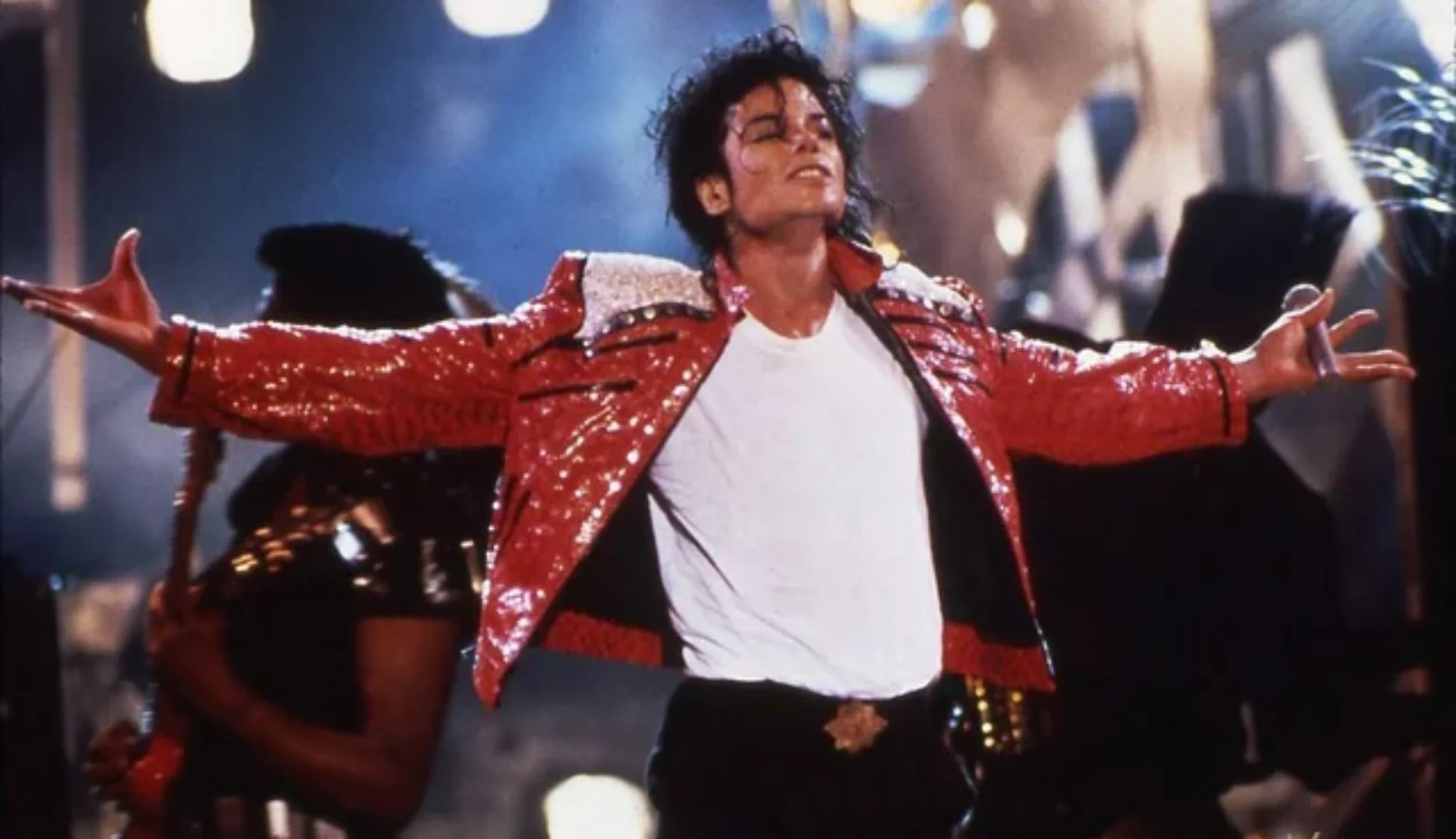
Known for her electrifying stage presence, Shakira’s performances combine powerful vocals with her signature belly dance moves, which highlight her Lebanese roots. Her dynamic live shows have made her a favorite worldwide, including appearances at the Super Bowl halftime show and various international music festivals.
Shakira’s influence extends beyond music. She is an active philanthropist dedicated to improving education in Colombia and globally. She founded the Barefoot Foundation (Pies Descalzos Foundation), which builds schools and provides resources for underprivileged children. In addition, she serves as a UNICEF Goodwill Ambassador, advocating for children’s rights and education worldwide.
Her impact on Latin music and culture is immense. Shakira paved the way for Latin artists to achieve crossover success, inspiring countless musicians to blend genres and cultures in their work. She has won multiple Grammy Awards, Latin Grammys, Billboard Awards, and countless other accolades, recognizing both her artistic achievements and humanitarian efforts.
In recent years, Shakira has continued to release new music, such as the albums El Dorado (2017), which featured collaborations with artists like Maluma and Carlos Vives, and hit singles like “Chantaje” and “La Bicicleta.” These songs celebrate Latin culture while appealing to a modern pop audience, demonstrating her ability to evolve while staying true to her roots.
Shakira’s personal life, including her high-profile relationship with Spanish footballer Gerard Piqué, has also attracted media attention. However, she remains focused on her music and philanthropic work, consistently using her platform to promote social causes.
Her legacy as one of the most influential Latin artists is marked by innovation, cultural fusion, and a commitment to using her success for positive change. Shakira’s music continues to resonate with fans worldwide, bridging languages and generations, and her story is one of talent, perseverance, and heart.Copy